
I was in the hospital recovery room, awake and waiting to be discharged after shoulder surgery. My wife was there with me. We were just counting down the minutes until I could head home and rest.
Then my phone rang.
It was a parent issue — tense, emotional, uncertain. It wasn't a life-threatening emergency, and everyone at the center knew I was literally sitting in a hospital gown. But the call came, and out of habit, I answered it.
In that moment, I didn't feel dramatic or angry. I just felt tired. The kind of deep, systemic exhaustion that settles into your bones. I remember thinking, How can I not even be gone for a few hours without something unraveling?
And underneath that, a heavier realization: If they can't handle this without me, what does that say about my leadership?
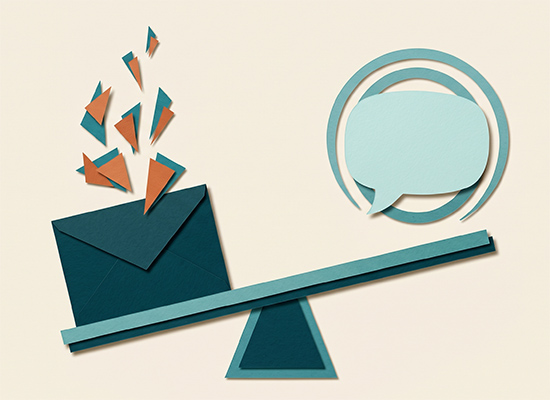
That was my wake-up call. I had become the "always-on" leader. I had mistaken constant accessibility for dedication, and in doing so, I had built a single point of failure into the organization. Me.
The Myth of the Indispensable Leader
In childcare, we carry the weight of other people's children — their safety, their growth, their wellbeing. It's appropriate to feel pressure. But there's a line where carrying responsibility turns into carrying it alone.
Most leaders cross that line without noticing:
That inability to unplug isn't a reflection of your dedication. It's a diagnostic on how much of your center's stability is riding on your specific presence.
Strong leadership isn't measured by how quickly you respond. It's measured by the strength of the systems and people you've developed to act in your absence.
Recovery Isn't an Indulgence
Stress itself isn't the enemy. Short bursts of stress sharpen awareness. The problem is unrelenting stress.
Decades of research, including the work of psychologist Christina Maslach, shows that prolonged stress leads to emotional exhaustion — the state where you have nothing left to give. On a biological level, when stress is constant, cortisol stays elevated. Your body remains in a low-level fight-or-flight state.
Your nervous system doesn't know the parent call was "minor." It only knows it hasn't been allowed to recover.
A Menu for Sustainable Leadership
Sustainable leadership requires a rhythm of engagement and detachment. Without detachment, there's no renewal. Four ways to start.
The 24-Hour Reflection
Ask yourself: If I needed to step away unexpectedly for 24 hours, where would the tension surface?
The discomfort that question creates isn't a sign of failure. It's a map. It shows you exactly where your systems need reinforcement and where your people need more training.
Worth Remembering
- Caring becomes over-functioning, dedication becomes chronic accessibility, and responsibility becomes a 24/7 digital tether — most leaders cross those lines without noticing.
- Your nervous system doesn't know the parent call was "minor" — it only knows it hasn't been allowed to recover.
- Strong leadership isn't measured by how fast you respond — it's measured by the strength of the systems and people you've built to act in your absence.
- Define your Level 5 — fire, flood, blood, or a missing child — and make sure your staff actually know what it is, so everything else can wait for morning.
- The 24-hour question isn't about failure — it's a map showing exactly where your systems need reinforcement and where your people need more training.
Reflection Questions
- Are you the bottleneck on decisions that should be living somewhere else in the org chart?
- What's your Level 5 — and do your staff actually know what it is, or are you the only one with the definition?
- What's the longest you've gone without checking your work phone in the last month — and what would need to change to double it?
Digital Download: The Delegation Audit
If you found yourself in a recovery room today, would your center thrive or unravel? Sustainability isn't about working harder — it's about building a team that can carry the feathers so you have the strength to juggle the stones. Use this two-page Delegation Audit to identify the recurring tasks draining your battery, and follow the five-step framework to hand off responsibility with clarity.
What's New
Stay current on our most recently published articles.